

Hydroclimatic Risk — the defining climate risk of the coming decade.
Venture capital for hydroclimatic risk.
10 questions we get asked the mostMazarine Climate is a climate adaptation VC backing early-stage companies helping industry & society price and manage hydroclimatic risk.
Hydroclimatic risk — too much water, too little water, and impaired water — is repricing infrastructure and balance sheets worldwide. Disclosure rules, insurance repricing, and direct asset exposure make the need to measure it non-discretionary. We back AI-native founders across all three layers of the stack: technologies that sense — producing high-resolution ground-truth data — models that understand it as priced risk, and software that acts, turning that risk into committed decisions. Effective AI starts with better data; the returns show up where the decision gets made.
Three faces of hydroclimatic risk.
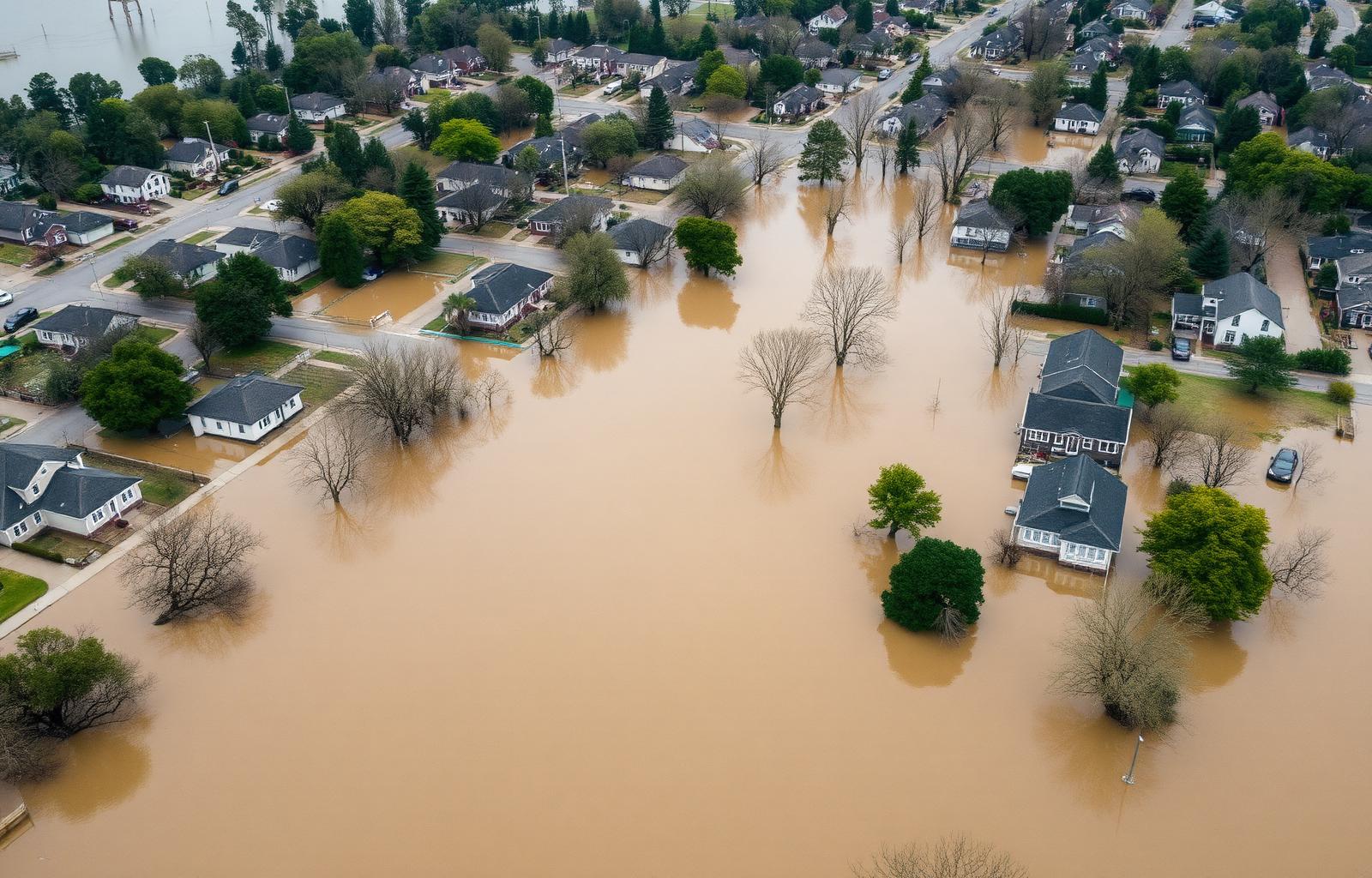
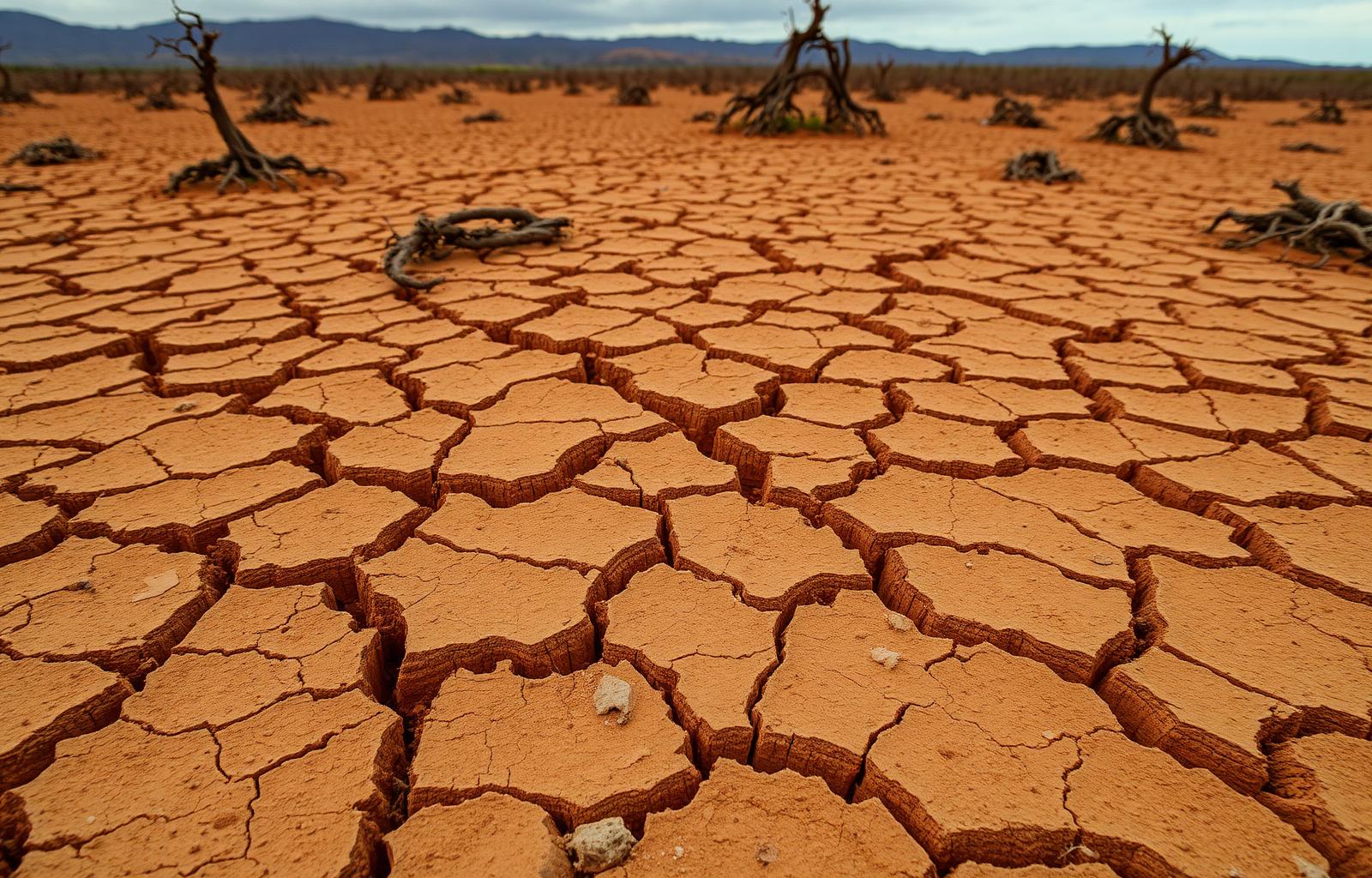

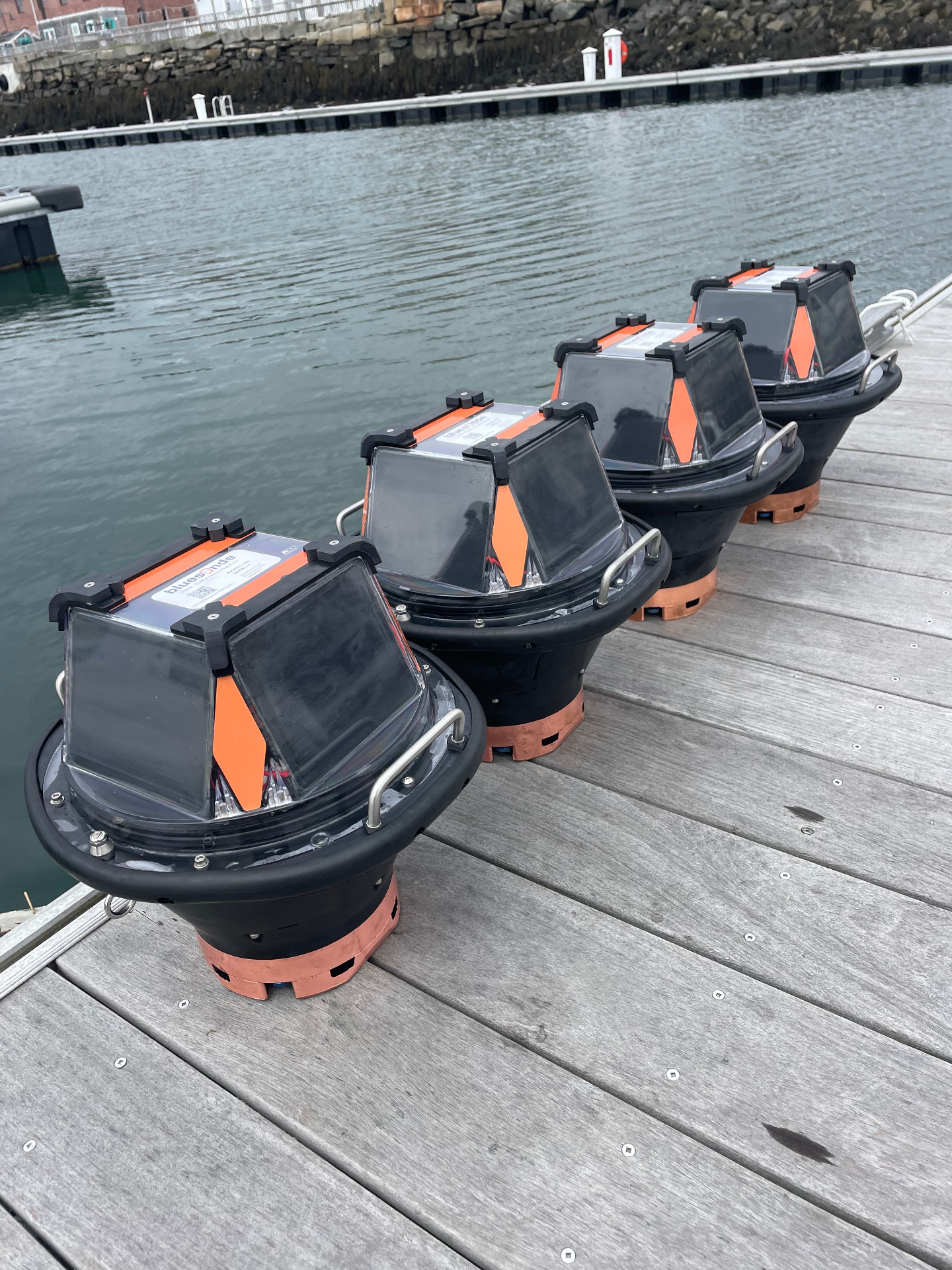


Where our portfolio companies operate.
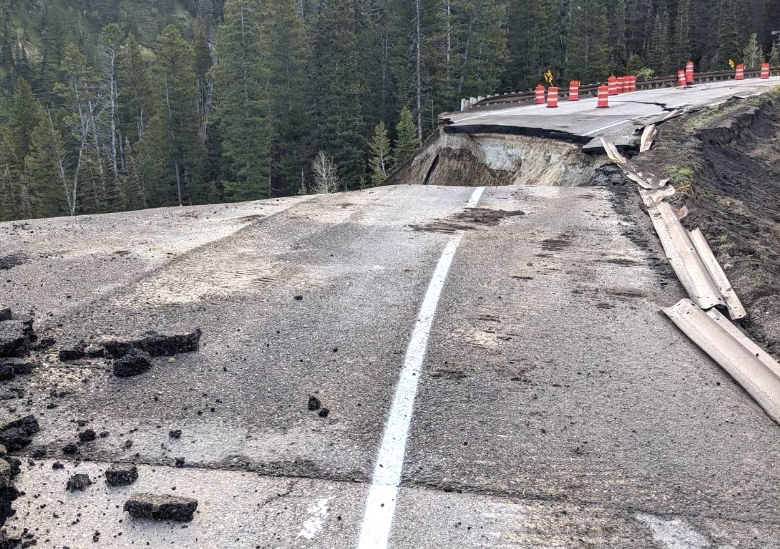
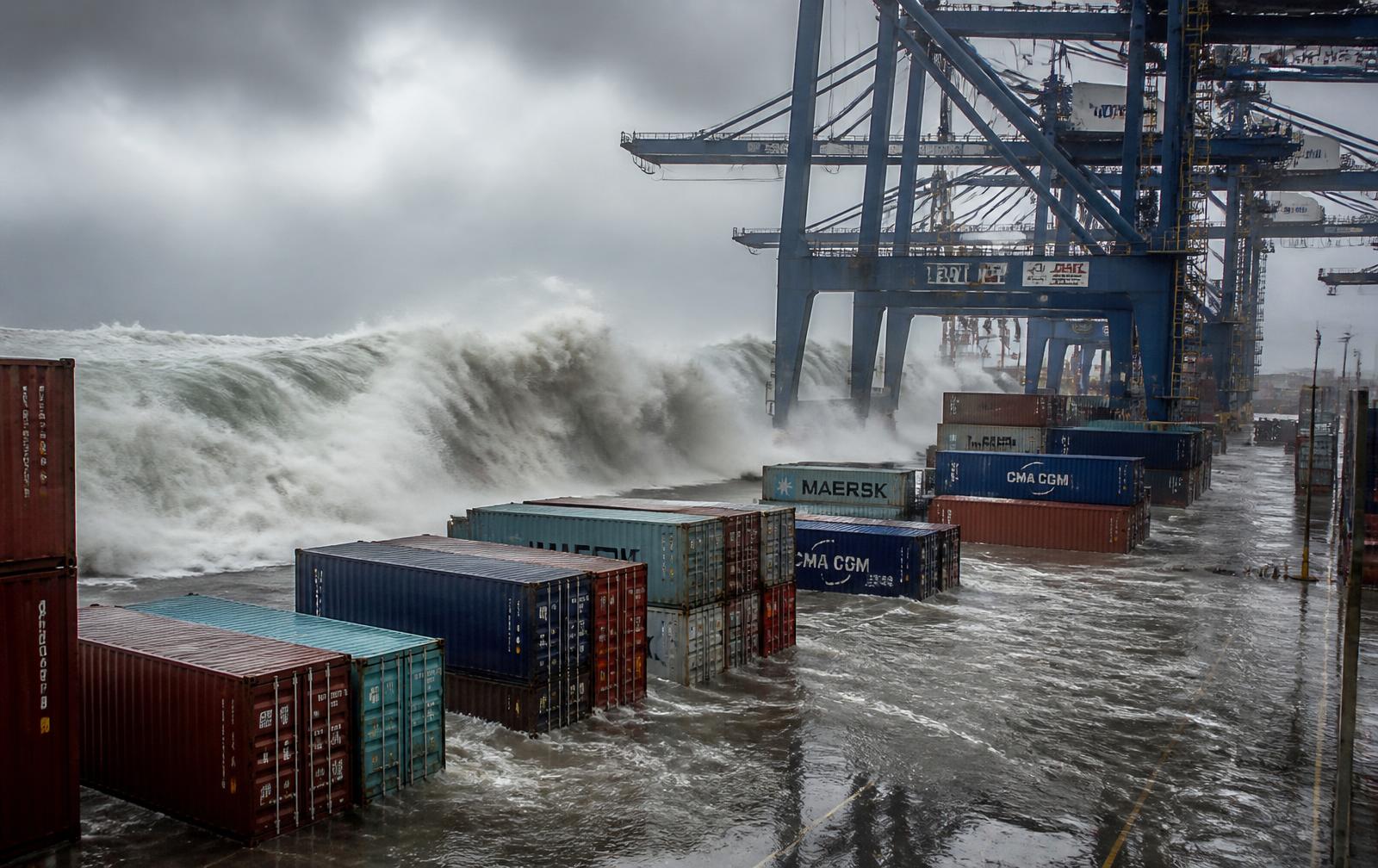

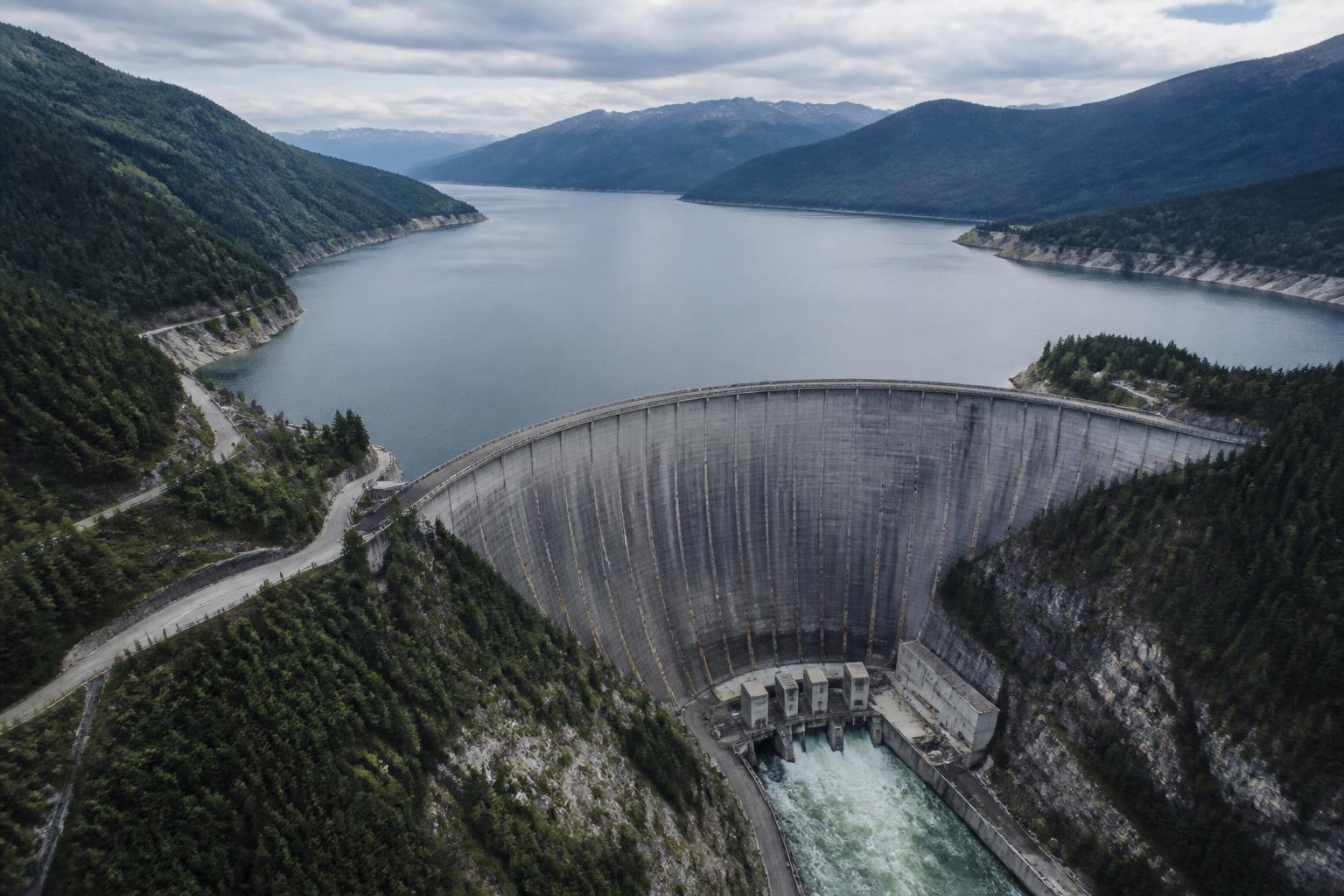
Hydroclimatic risk spans too much water, too little water, and the impairment of the freshwater and marine systems economies depend on.
As a climate-tech VC, we frame water as a risk variable, not a sector. The images below show what hydroclimatic risk actually looks like on the ground — and how 'water risk' goes way beyond the so-called 'water industry'.
Scarcity is the “famous” problem. Excess is the investable one.
Drought is fought in legislatures over decades. Floods and storms land on private balance sheets in an afternoon — acute, measurable, and paid for by buyers who cannot wait.
The hazard is physical. The loss is financial. We invest in the second.
We are not backing companies that stop the water. We back the software that measures, prices, and commits a decision on what the water costs.
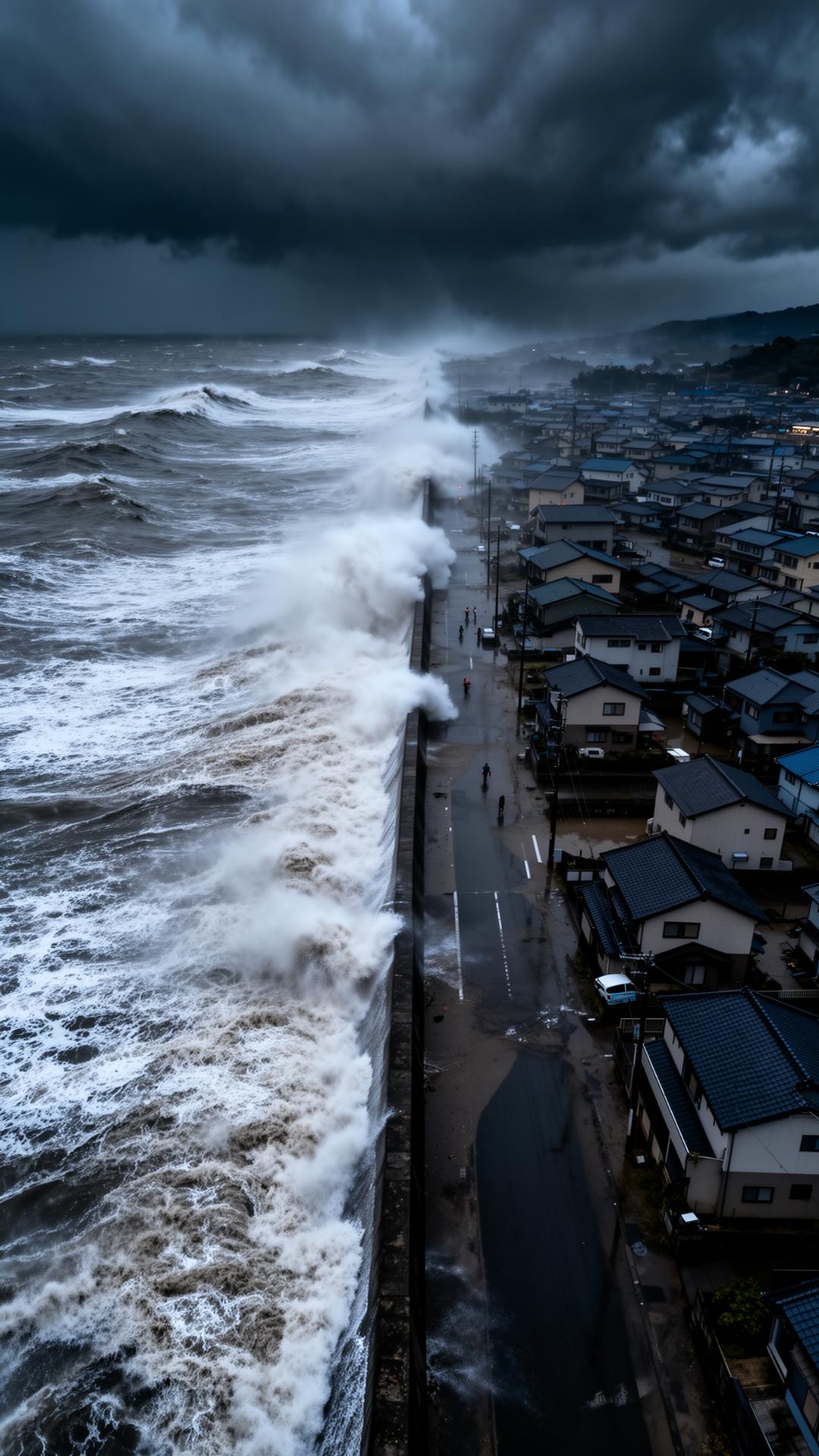
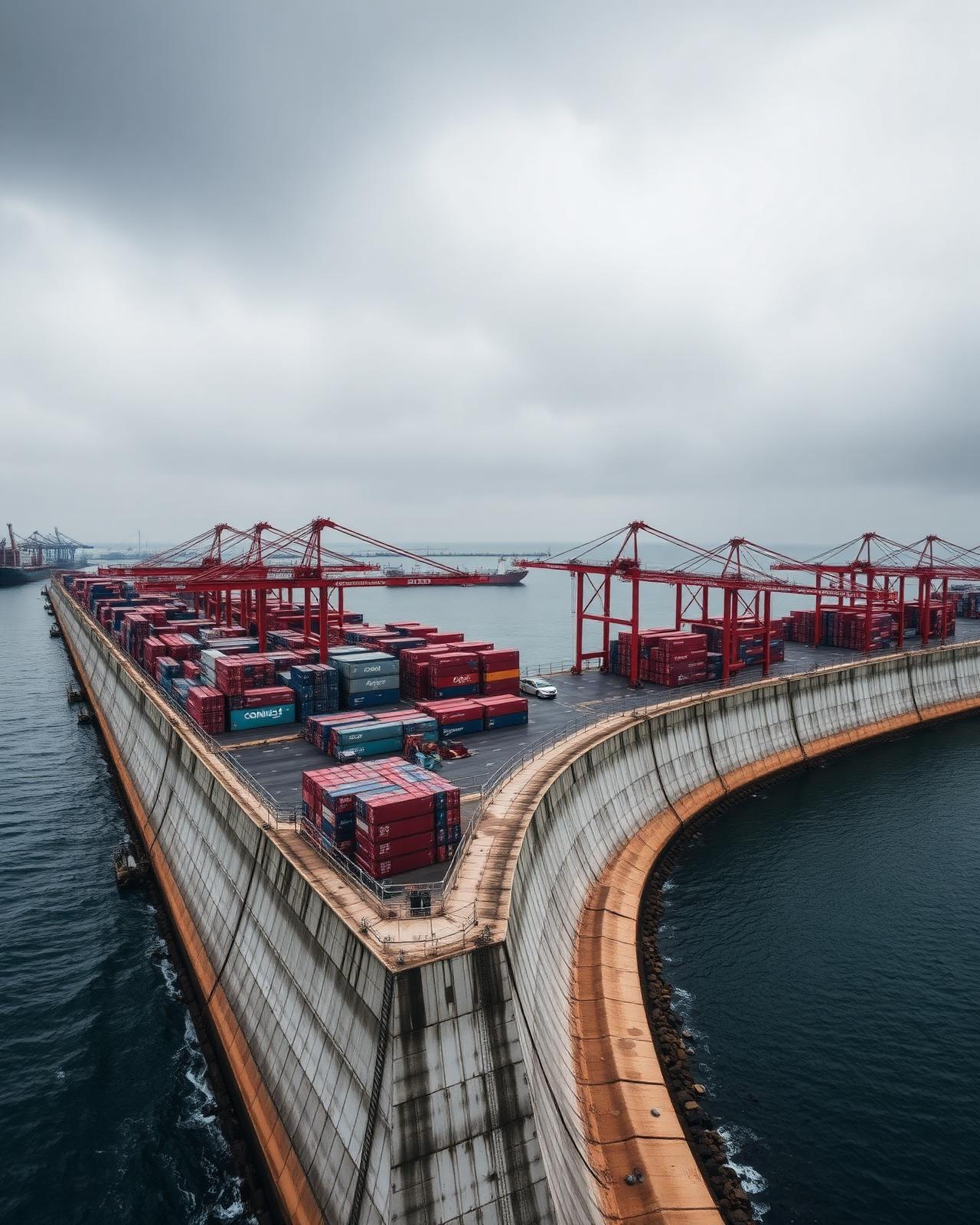
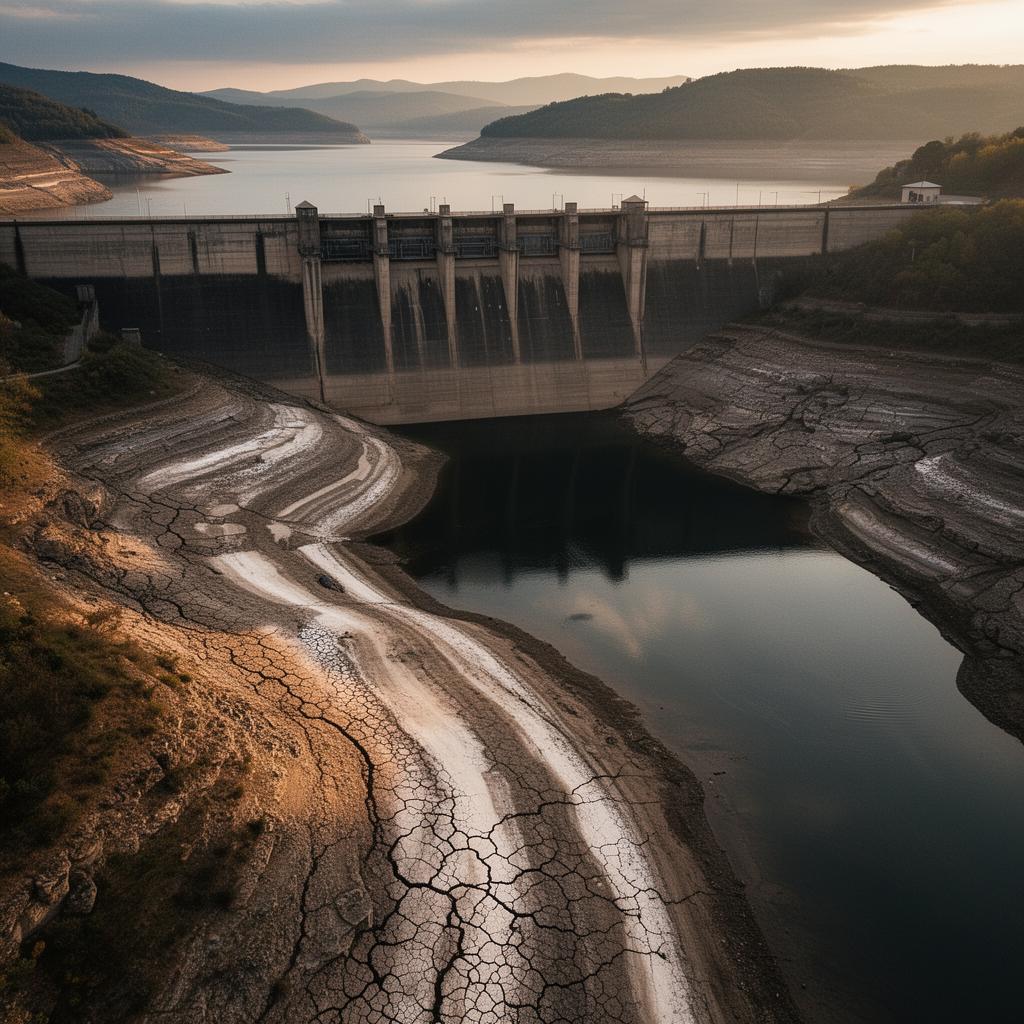
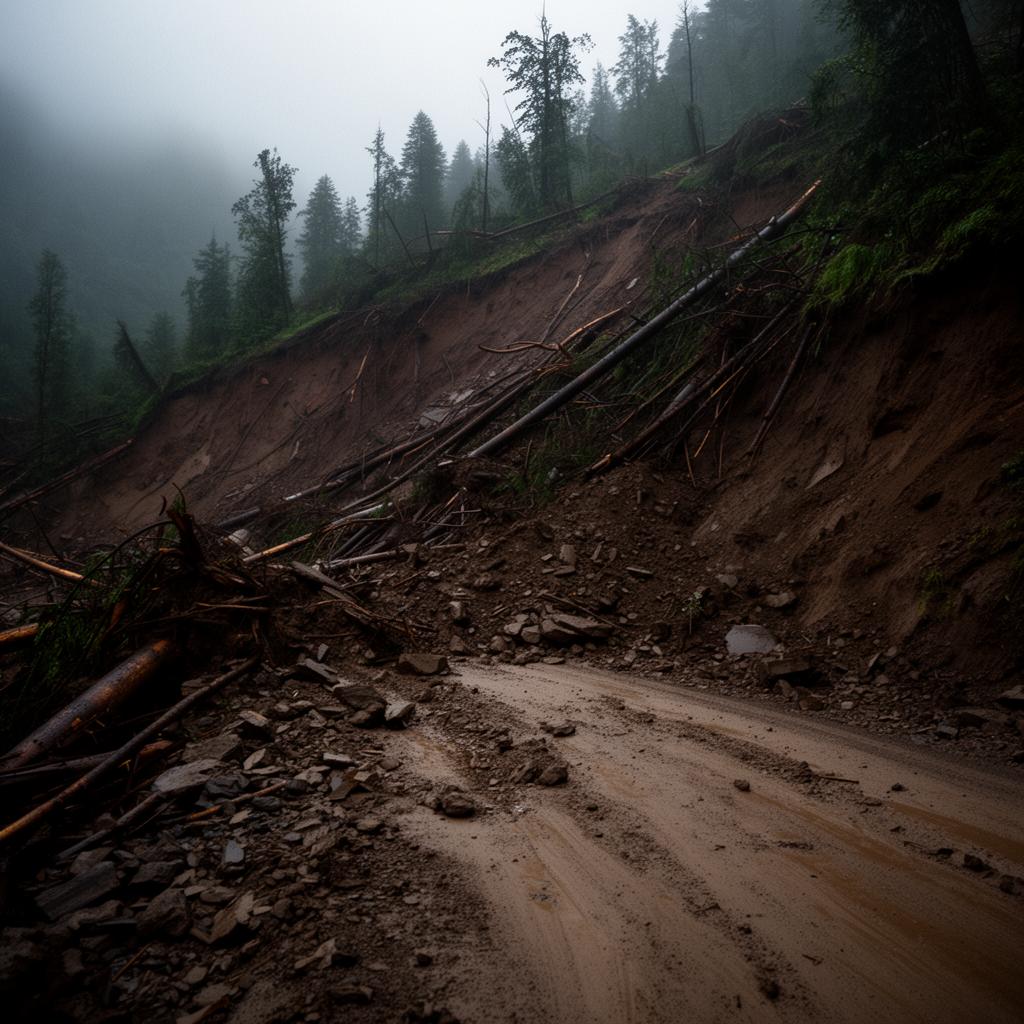
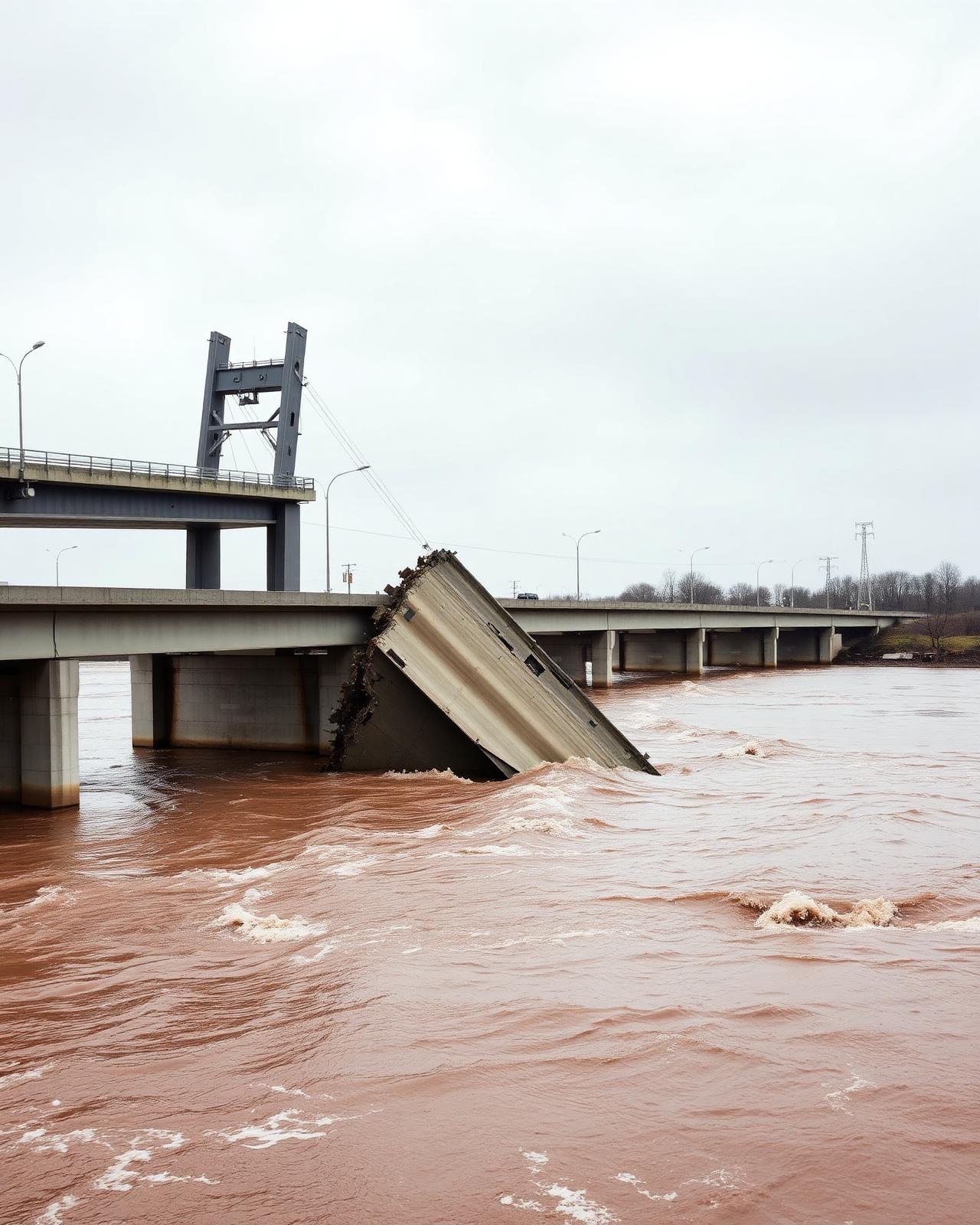
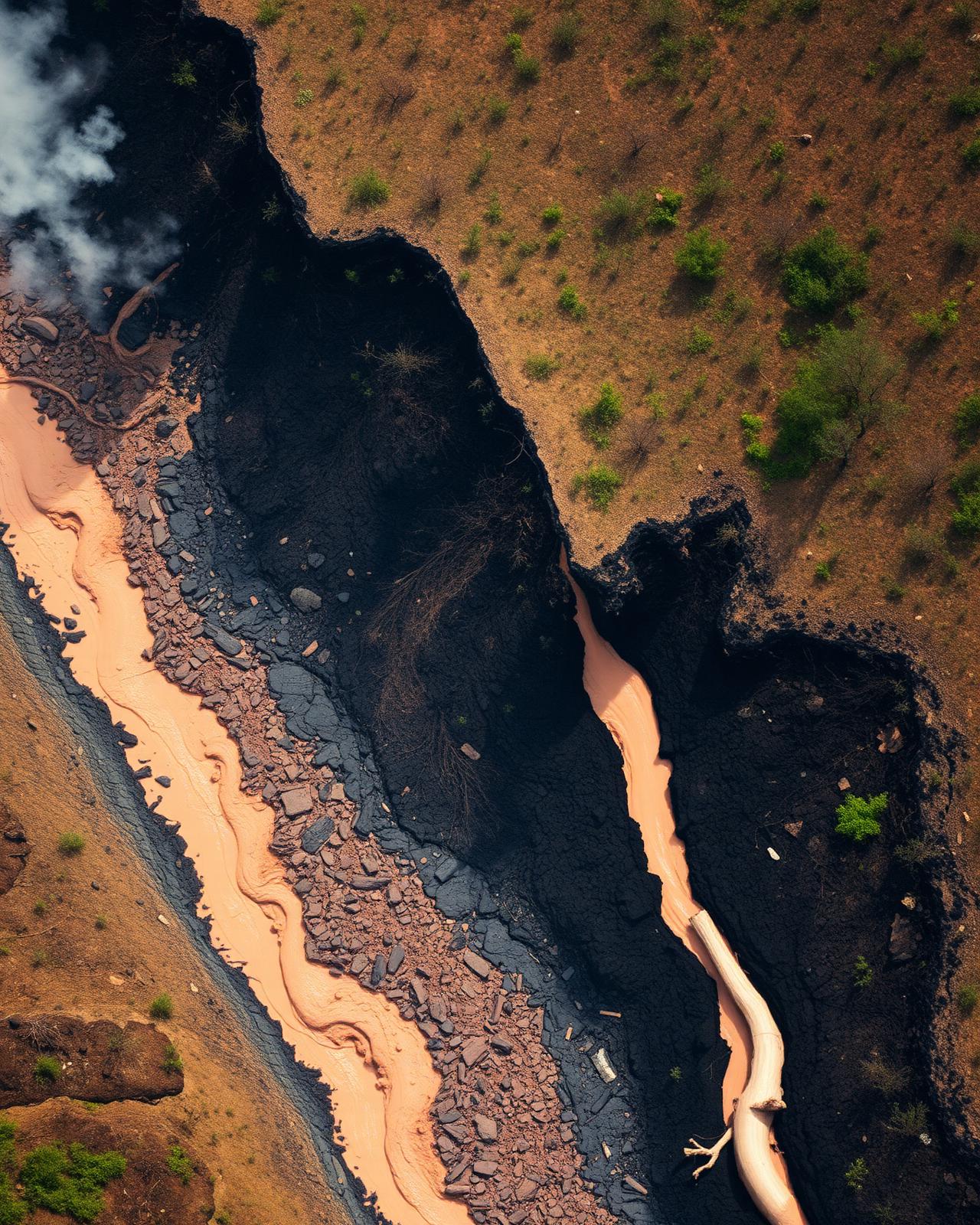
Hydroclimatic risk is the most investable corner of climate adaptation — a $110B technology market by 2030, growing at 16.1% CAGR, with non-discretionary spend drivers and software-heavy economics.
Mazarine backs early-stage companies helping the F.I.RE. sector, linear assets, coastal infrastructure, and power generation price and manage water-driven climate risk — with recurring demand that survives the budget cycle.
El Niño is a hydroclimatic risk story.
NOAA now puts the odds of a very strong El Niño through the 2026–27 winter above 90%. Nearly all of its hazards arrive as “water” — and almost none of that risk lands in the water industry. It lands on an insurer’s loss ratio, a railroad’s operating plan, a port’s berth availability, and a generator’s fuel position.
How hydroclimatic risk is different from the “water industry”.
Same word, different fund. The distinction defines where Mazarine invests — and where it does not. Read how we understand the 'water' opportunity →
- Different problemSDG 6 versus SDG 13.
- The water industry sells water and the services around treating, moving, and discharging it — municipal and industrial, end to end. It sits under SDG 6 and lives at WEFTEC, AWWA ACE, GWI, IWA, and IFAT Munich. Hydroclimatic risk sits under SDG 13: managing what water now does to assets and balance sheets as the climate destabilizes the hydrological cycle. Its buyers are found at the expos of insurance, real estate, ports, rail, energy, and infrastructure. The two overlap at the edges — utilities and large industrial users carry hydroclimatic risk too — but the center of gravity is distinct.
- Different buyerUtility capex versus enterprise opex.
- The water industry sells into a mature, capex-heavy, rate- and permit-bound ecosystem of utilities and industrial operators. Hydroclimatic risk is bought by insurers, lenders, asset owners, and infrastructure operators — enterprise buyers spending opex on data and software to price and manage risk.
- Different assetPhysical pipes versus informational layer.
- The water industry’s asset is physical: pipes, pumps, plants, and the “digital water” wrapped around them. Hydroclimatic risk’s asset is informational: the satellite, sensor, AI, and digital-twin layer that turns water-driven climate exposure into something measurable and investable.
- Why it mattersSame word, different fund.
- For investors building around “water,” the line determines what kind of fund you own. A WEFTEC/AWWA-anchored portfolio is a bet on utility capex cycles and incumbent M&A — slow-growth, mature-market exposure. A hydroclimatic risk portfolio is a bet on enterprise software and data infrastructure bought by climate-exposed sectors under regulatory and balance-sheet pressure — venture-scale growth and software economics.
One thesis. Narrowly held.
Mazarine Climate is a specialist VC operating on the climate adaptation side of climate-tech. We do one thing: back the founders building the data, sensing, and decision layer for hydroclimatic risk. We do not invest in generalist climate tech, mitigation, ESG software, or the legacy water industry.